
Site Loader

How Automation Is Redefining Modern Manufacturing Operations

Manufacturing is evolving rapidly as automation transforms the way products are made, inspected, and moved through production facilities. Advanced systems can improve consistency, streamline repetitive tasks, and enhance efficiency while enabling manufacturers to respond more effectively to changing production demands. Apex Machinery reflects the broader shift toward integrating automated technologies that enhance operational performance across a wide range of manufacturing environments. From material handling and precision processing to quality control and workflow optimization, automation is reshaping traditional production methods. Exploring these developments reveals how automated solutions continue to redefine modern manufacturing operations and influence the future of industrial production.

How Automated Systems Improve Production Efficiency

Automation allows repetitive manufacturing tasks to be completed with greater consistency and precision. Machines programmed to perform specific operations can maintain steady production rates while reducing interruptions caused by manual handling. Automated equipment also supports continuous workflows by coordinating multiple stages of production within a connected system. This streamlined approach enables manufacturers to optimize production schedules while making more effective use of available resources and equipment.

The Role of Data in Automated Manufacturing

Modern automated systems generate large amounts of operational data that help manufacturers understand how production processes are performing. Sensors installed on machinery monitor variables such as temperature, speed, pressure, and operating conditions in real time. This information allows production teams to identify trends, evaluate efficiency, and respond more quickly to changing conditions. Data-driven decision-making has therefore become an important part of automation, supporting better planning and more consistent manufacturing outcomes.

How Automation Supports Product Quality
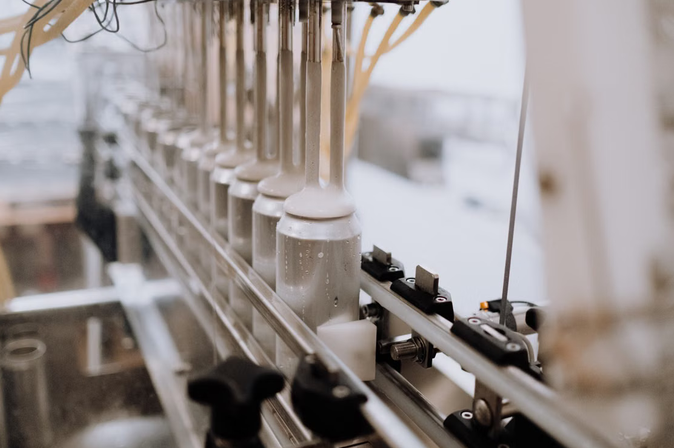
Maintaining consistent product quality is a major objective in manufacturing, and automation helps reduce variation during production. Automated inspection systems can measure dimensions, detect surface defects, and verify product specifications with high accuracy. Because these systems apply the same evaluation criteria throughout the production process, they help manufacturers identify quality issues before products move to later stages of manufacturing. This consistency supports reliable production while reducing unnecessary waste and rework.

Why Flexible Automation Is Becoming More Important

Manufacturing markets continue to change as customer expectations, product designs, and production volumes evolve. Flexible automation allows manufacturers to adapt equipment for different products without completely redesigning production lines. Programmable machines and robotic systems can often be reconfigured to support new manufacturing requirements with relatively small adjustments. This adaptability enables factories to respond more efficiently to changing demand while maintaining productive operations across a wider variety of products.

How Automation Is Shaping the Future of Manufacturing
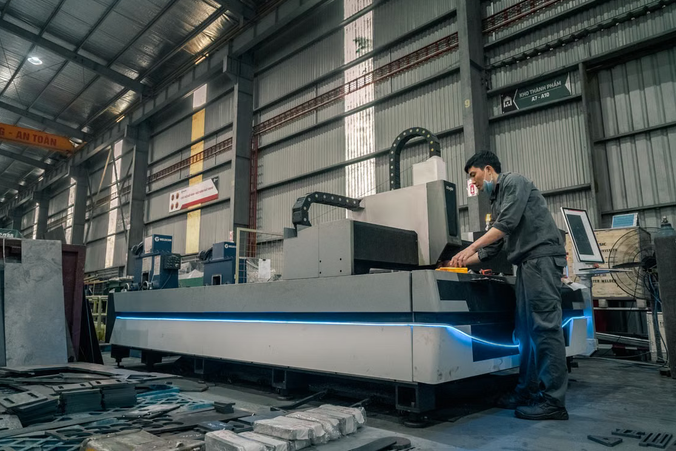
a machine operator

The continued development of artificial intelligence, machine learning, and connected industrial technologies is expanding the capabilities of automated manufacturing systems. Equipment is becoming increasingly capable of monitoring its own performance, assisting with maintenance planning, and communicating with other machines throughout the production process. These developments support more coordinated manufacturing environments where information flows efficiently across different stages of production. As technology advances, automation is expected to remain a key driver of innovation and long-term operational improvement within the manufacturing sector.

Automation is redefining modern manufacturing operations by improving production efficiency, supporting consistent product quality, enabling data-driven decision-making, and increasing operational flexibility. By integrating robotics, sensors, software, and intelligent systems, manufacturers can create production environments that respond more effectively to changing requirements while maintaining reliable performance. Rather than representing a single technology, automation combines multiple innovations that work together to strengthen manufacturing processes. Its continued development will play an important role in shaping the future of industrial production worldwide.…


Top Indoor Signage Trends to Watch in 2025

As we step into 2025, the world of indoor signage is evolving at an astonishing pace. Today’s signs are dynamic, interactive, and integral to how we navigate spaces. From retail environments to corporate offices and public venues, the latest trends in signage reflect a shift toward technology-driven solutions that engage audiences like never before.

Picture this: digital screens seamlessly integrated with your surroundings, minimalist designs that echo sustainability, and immersive branding experiences that captivate visitors—all while ensuring easy navigation for everyone. These trends not only enhance aesthetics but also redefine how we interact with our environment. Let’s dive into the top indoor signage trends shaping our spaces in 2025.

Digital Integration for Real-Time Engagement

Digital integration is transforming indoor signage into a powerful tool for real-time engagement, and, of course, the best signage company in Sydney understands this fully. Imagine walking into a store where screens greet you with personalized promotions based on your preferences. This technology uses data to tailor messages, creating a more relevant shopping experience. Interactive displays are also becoming commonplace. Touchscreens allow customers to explore products or services at their own pace, providing information and enhancing decision-making without the pressure of sales staff hovering nearby. Moreover, social media feeds can be integrated directly into signage systems, showcasing user-generated content and encouraging visitors to engage online. This not only builds community but also bridges the gap between physical and digital interactions.

Minimalist and Sustainable Design

signageMinimalist and sustainable design is reshaping indoor signage. Brands are moving towards clean lines, ample white space, and simple typography. This approach creates an uncluttered visual experience that resonates with modern sensibilities. Using eco-friendly materials is also a priority. Signs made from recycled or biodegradable products not only reduce waste but also convey a brand’s commitment to the environment. Colors often follow earthy tones and muted palettes, enhancing the minimalist aesthetic while promoting tranquility within spaces. The focus shifts from loud graphics to subtle branding that harmonizes with the surroundings.

Brand-Immersive Experiences

Brand-immersive experiences are reshaping how consumers interact with businesses. These experiences go beyond traditional signage, creating an environment where customers can feel the brand’s essence. Imagine walking into a retail space that tells a story through visuals, sounds, and even scents. Every element is designed to engage your senses, making the experience unforgettable. Interactive displays allow customers to participate actively rather than be passive observers. Touchscreens and augmented reality features invite them to explore products in a fun way. More brands are using immersive technology for events as well.

Smart Wayfinding and Accessibility Features

direction

Smart wayfinding systems are transforming how we navigate indoor spaces. With the use of interactive digital displays, users can quickly find their desired locations without hassle. These systems often incorporate GPS technology and mapping apps to provide real-time directions. This level of guidance is especially beneficial in large venues like shopping malls or hospitals where getting lost is easy. Accessibility features further enhance these systems, ensuring everyone can benefit from them. Voice-guided navigation helps those with visual impairments while tactile maps cater to individuals who are blind or have low vision. Additionally, multilingual options accommodate diverse audiences.

As we look ahead to 2025, the world of indoor signage is set to transform in exciting ways. The integration of digital technology will allow brands to engage with their audiences like never before. Minimalist and sustainable designs will dominate, aligning aesthetics with eco-conscious values. The trends shaping indoor signage reflect broader societal shifts toward innovation, sustainability, and inclusivity. Embracing these changes not only enhances brand visibility but also elevates the overall experience for visitors. Staying ahead in this dynamic landscape means being adaptable to new ideas while remaining true to your brand identity. Keep an eye on these developments as they unfold; they will undoubtedly influence how we interact with our surroundings in the coming years.…

Essential Pieces of Equipment Every Bakery Must Have

If you are in the baking business, you know that having the right cake display fridge for the café is key. A cake display fridge is an essential piece of equipment for any bakery, café, or restaurant that sells cakes or other desserts. It keeps your cakes and desserts fresh, but it also makes them look more appealing to customers. Every bakery must have certain pieces of equipment to produce high-quality baked goods. This blog post will discuss some of the essential pieces of equipment that you need to get started. We will also provide tips on choosing the right equipment for your bakery. So, if you are thinking about starting a bakery, make sure to read this post.

Mixers

Mixers are one of the most important pieces of equipment in any bakery. They are used to mix all of the ingredients, and they come in various sizes and shapes. You will need to decide what size mixer is suitable for your bakery. You may want to purchase a small mixer if you are starting. However, if you plan on growing your business, you will need to invest in a larger mixer. There are two types of mixers: stand mixers and hand mixers.

Oven

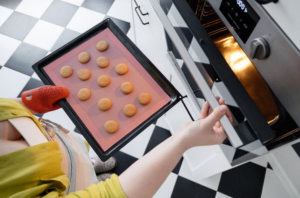
ovenBaking is all about heat, so a good oven is crucial. You’ll need one that can reach high temperatures quickly and maintain a consistent temperature throughout the baking process. A convection oven will help ensure even baking, but a conventional oven will work in a pinch. Just keep an eye on your baked goods to prevent them from burning. In addition to a good oven, you’ll also need some baking tools and supplies. Baking pans come in all shapes and sizes, so it’s important to choose the right one for the job.

Bakeware

Baking is all about precision, so you’ll need the right bakeware to get consistent results. Here are a few essential pieces of bakeware every bakery needs:

  • A baking sheet is one of the most versatile tools in a baker’s arsenal. You can use it for baking cookies, pastries, and even bread.
  • A cake pan is a must for any bakery that offers cakes. There are many different sizes and shapes of cake pans, so choose the ones that best fit your menu.
  • A pie dish is essential for baking pies. Again, there are many different sizes and shapes available, so choose those that best fit your menu.

Cake Display Fridges

If you want to showcase your cakes and pastries in all their glory, you’re going to need a cake display fridge. These are specially designed to show off your wares while keeping them at the perfect temperature. If you have a large selection of cakes and pastries, you’ll need a bigger fridge, but if you only have a few items on offer, a smaller fridge will suffice. Cake display fridges are essential for any bakery that wants to show off its cakes and pastries in the best possible light.

So, whether you’re in the market for a commercial oven, mixer, or some other bakery equipment, do your research and find the best option for your business. By investing in quality equipment that will last you for years to come, you can focus on what you do best – baking delicious treats.…

Three Considerations to Have Before You Expand Your Business

At some point in your business journey, expansion is a challenge that you must take. It is either go big or go home. If you have not reached that stage now, and you are still considering what things may be needed just in case, then you’ve just made the wisest choice. You foresee things and prepare for them. 

Can You Afford an Expansion?

Substantial tasks like supply management, administration, marketing, and customer care are notorious for multiplying the cost of expansion. But luckily, almost all of them are available for outsourcing. For instance, the supply chain services from PTI include quality check, yard management, warehousing & distribution, and product packaging, which can be a big help for your company’s new branch. Imagine if you were to invest in equipment for those tasks by yourself. Your expansion’s cost will increase considerably.

Moreover, if you are trying to build your market in the new area, you must be prepared for the risk of failing. You should have a contingency asset that can help you to get out of debt, in case your expansion ends up disastrous. You should also consider consulting financial and legal experts about your plan. It is always better to be prepared for the worst than to regret it later. 

Has Your Current Business Reached Its Goals?

Just like an empire, the cores of your first company must be strong enough before you can think about expanding your territory. And to measure such a stage, you can simply reflect on your company’s achievements in the past five years. Is your company a high achiever or an underperformer? Were your clients satisfied with your services? Do your profits grow? Be realistic in answering this question because your business’s future is at stake. And remember that maintaining a good reputation is much more important than pursuing the ungrounded ambition. 

Have Your Competitors Expanded?

A careful observant is always at an advantage compared to the ones who make hasty decisions. Therefore, you must keep a close on your competitors to spy on their strategies and mistakes. If you can do this, you don’t have to repeat other people’s errors, and you can advance much faster then they do. 

Besides, since you and your competitors have the same market, you can watch how your leads react to the expansion plan. Is your company’s brand strong enough to make your customers loyal to you? Or your audience is more of practical people who don’t care about the brand varieties in the products? The answer to such questions will later give you insights on how you should develop your goods better than your competitors’.