

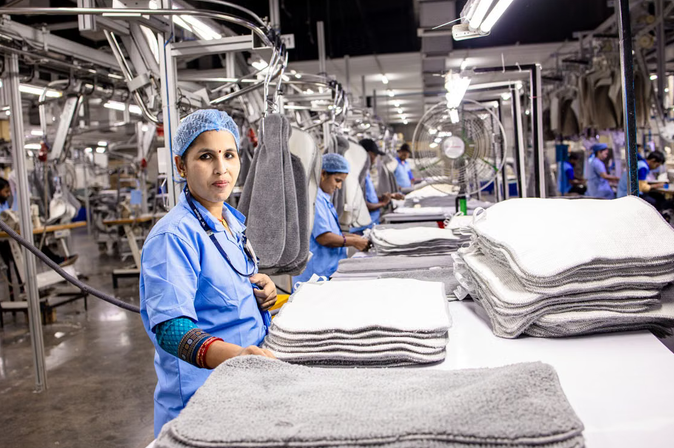
Manufacturing is evolving rapidly as automation transforms the way products are made, inspected, and moved through production facilities. Advanced systems can improve consistency, streamline repetitive tasks, and enhance efficiency while enabling manufacturers to respond more effectively to changing production demands. Apex Machinery reflects the broader shift toward integrating automated technologies that enhance operational performance across a wide range of manufacturing environments. From material handling and precision processing to quality control and workflow optimization, automation is reshaping traditional production methods. Exploring these developments reveals how automated solutions continue to redefine modern manufacturing operations and influence the future of industrial production.
How Automated Systems Improve Production Efficiency
Automation allows repetitive manufacturing tasks to be completed with greater consistency and precision. Machines programmed to perform specific operations can maintain steady production rates while reducing interruptions caused by manual handling. Automated equipment also supports continuous workflows by coordinating multiple stages of production within a connected system. This streamlined approach enables manufacturers to optimize production schedules while making more effective use of available resources and equipment.
The Role of Data in Automated Manufacturing
Modern automated systems generate large amounts of operational data that help manufacturers understand how production processes are performing. Sensors installed on machinery monitor variables such as temperature, speed, pressure, and operating conditions in real time. This information allows production teams to identify trends, evaluate efficiency, and respond more quickly to changing conditions. Data-driven decision-making has therefore become an important part of automation, supporting better planning and more consistent manufacturing outcomes.
How Automation Supports Product Quality
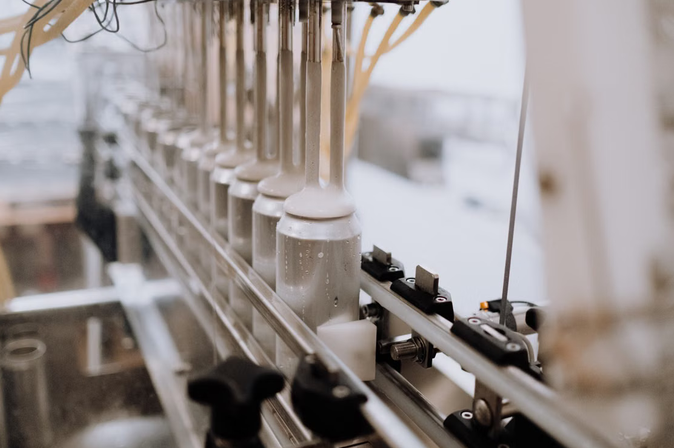
Maintaining consistent product quality is a major objective in manufacturing, and automation helps reduce variation during production. Automated inspection systems can measure dimensions, detect surface defects, and verify product specifications with high accuracy. Because these systems apply the same evaluation criteria throughout the production process, they help manufacturers identify quality issues before products move to later stages of manufacturing. This consistency supports reliable production while reducing unnecessary waste and rework.
Why Flexible Automation Is Becoming More Important
Manufacturing markets continue to change as customer expectations, product designs, and production volumes evolve. Flexible automation allows manufacturers to adapt equipment for different products without completely redesigning production lines. Programmable machines and robotic systems can often be reconfigured to support new manufacturing requirements with relatively small adjustments. This adaptability enables factories to respond more efficiently to changing demand while maintaining productive operations across a wider variety of products.
How Automation Is Shaping the Future of Manufacturing
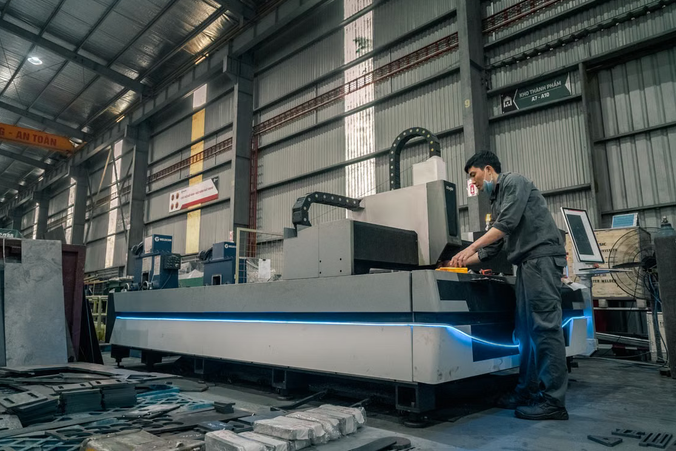
The continued development of artificial intelligence, machine learning, and connected industrial technologies is expanding the capabilities of automated manufacturing systems. Equipment is becoming increasingly capable of monitoring its own performance, assisting with maintenance planning, and communicating with other machines throughout the production process. These developments support more coordinated manufacturing environments where information flows efficiently across different stages of production. As technology advances, automation is expected to remain a key driver of innovation and long-term operational improvement within the manufacturing sector.
Automation is redefining modern manufacturing operations by improving production efficiency, supporting consistent product quality, enabling data-driven decision-making, and increasing operational flexibility. By integrating robotics, sensors, software, and intelligent systems, manufacturers can create production environments that respond more effectively to changing requirements while maintaining reliable performance. Rather than representing a single technology, automation combines multiple innovations that work together to strengthen manufacturing processes. Its continued development will play an important role in shaping the future of industrial production worldwide.