

Site Loader

How Automation Is Redefining Modern Manufacturing Operations

Manufacturing is evolving rapidly as automation transforms the way products are made, inspected, and moved through production facilities. Advanced systems can improve consistency, streamline repetitive tasks, and enhance efficiency while enabling manufacturers to respond more effectively to changing production demands. Apex Machinery reflects the broader shift toward integrating automated technologies that enhance operational performance across a wide range of manufacturing environments. From material handling and precision processing to quality control and workflow optimization, automation is reshaping traditional production methods. Exploring these developments reveals how automated solutions continue to redefine modern manufacturing operations and influence the future of industrial production.

How Automated Systems Improve Production Efficiency

Automation allows repetitive manufacturing tasks to be completed with greater consistency and precision. Machines programmed to perform specific operations can maintain steady production rates while reducing interruptions caused by manual handling. Automated equipment also supports continuous workflows by coordinating multiple stages of production within a connected system. This streamlined approach enables manufacturers to optimize production schedules while making more effective use of available resources and equipment.

The Role of Data in Automated Manufacturing

Modern automated systems generate large amounts of operational data that help manufacturers understand how production processes are performing. Sensors installed on machinery monitor variables such as temperature, speed, pressure, and operating conditions in real time. This information allows production teams to identify trends, evaluate efficiency, and respond more quickly to changing conditions. Data-driven decision-making has therefore become an important part of automation, supporting better planning and more consistent manufacturing outcomes.

How Automation Supports Product Quality
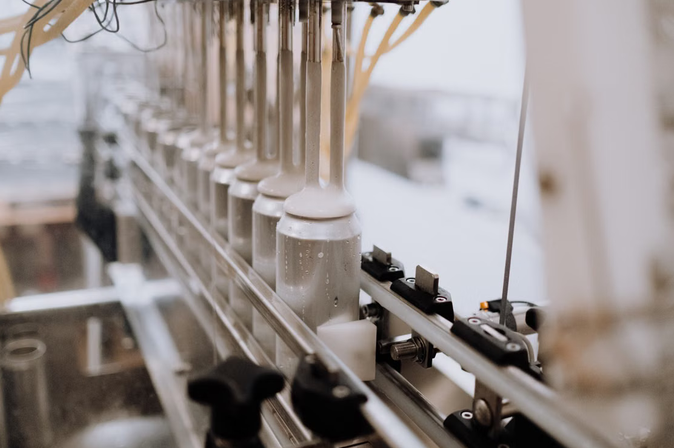
Maintaining consistent product quality is a major objective in manufacturing, and automation helps reduce variation during production. Automated inspection systems can measure dimensions, detect surface defects, and verify product specifications with high accuracy. Because these systems apply the same evaluation criteria throughout the production process, they help manufacturers identify quality issues before products move to later stages of manufacturing. This consistency supports reliable production while reducing unnecessary waste and rework.

Why Flexible Automation Is Becoming More Important

Manufacturing markets continue to change as customer expectations, product designs, and production volumes evolve. Flexible automation allows manufacturers to adapt equipment for different products without completely redesigning production lines. Programmable machines and robotic systems can often be reconfigured to support new manufacturing requirements with relatively small adjustments. This adaptability enables factories to respond more efficiently to changing demand while maintaining productive operations across a wider variety of products.

How Automation Is Shaping the Future of Manufacturing
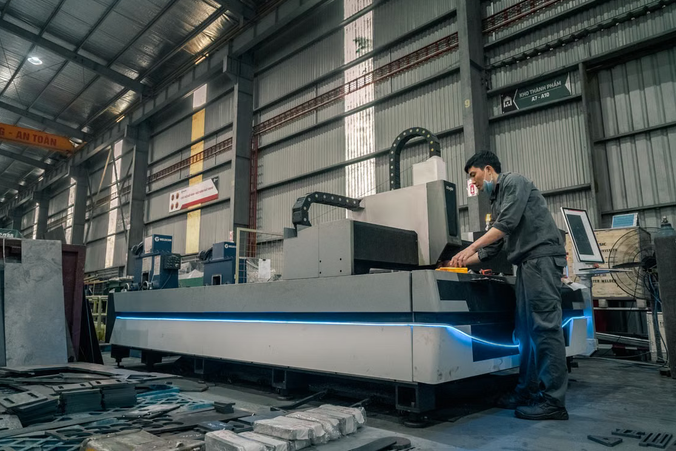
a machine operator

The continued development of artificial intelligence, machine learning, and connected industrial technologies is expanding the capabilities of automated manufacturing systems. Equipment is becoming increasingly capable of monitoring its own performance, assisting with maintenance planning, and communicating with other machines throughout the production process. These developments support more coordinated manufacturing environments where information flows efficiently across different stages of production. As technology advances, automation is expected to remain a key driver of innovation and long-term operational improvement within the manufacturing sector.

Automation is redefining modern manufacturing operations by improving production efficiency, supporting consistent product quality, enabling data-driven decision-making, and increasing operational flexibility. By integrating robotics, sensors, software, and intelligent systems, manufacturers can create production environments that respond more effectively to changing requirements while maintaining reliable performance. Rather than representing a single technology, automation combines multiple innovations that work together to strengthen manufacturing processes. Its continued development will play an important role in shaping the future of industrial production worldwide.…


Why Reputation Is Becoming a Company’s Most Valuable Asset

Businesses once relied heavily on traditional advantages such as price, location, and product availability. While these factors still matter, modern markets have introduced a powerful new influence on success: reputation. Today, customers, partners, and investors often evaluate companies based on how trustworthy and responsible they appear. Reputation reflects the public perception of a company’s behavior, values, and reliability. In an age where information spreads quickly online, a company’s reputation can influence its growth and stability. Positive public perception helps organizations build trust, while negative impressions can damage relationships with customers and stakeholders. Because of this shift, reputation has become one of the most valuable assets a company can develop.

The Power of Customer Trust

Customer trust forms the foundation of a strong reputation. When people believe a company is honest and reliable, they feel more comfortable purchasing its products or services. Trust develops through consistent experiences. Customers notice how businesses respond to questions, solve problems, and deliver on promises. Over time, these interactions shape the overall perception of the brand. A trusted company often enjoys greater customer loyalty. People are more likely to return to businesses they feel confident about. They may also recommend these companies to friends and colleagues. This cycle of trust and recommendation helps ensure long-term growth.

The Influence of Online Visibility

The internet has transformed how reputations develop. Online reviews, social media discussions, and digital forums allow customers to share their experiences with large audiences. Positive feedback can strengthen a company’s reputation quickly. At the same time, negative experiences may spread just as rapidly. Because of this visibility, businesses must remain attentive to how they communicate and operate. Every interaction has the potential to shape public perception. Companies that respond thoughtfully to feedback often demonstrate accountability and transparency. These qualities help ensure that customers feel heard and respected.

Reputation and Competitive Advantage

A strong reputation can create a significant advantage in competitive markets. When multiple companies offer similar products or services, customers often choose the brand they trust most. Reputation influences purchasing decisions in subtle ways. People may feel more confident selecting a familiar or respected company, even if alternatives exist. Businesses with positive reputations also attract stronger partnerships. Suppliers, collaborators, and investors often prefer working with organizations known for integrity and professionalism. This advantage allows companies to maintain stability even when markets become crowded.

Employee Attraction and Workplace Culture

people

Reputation also affects a company’s ability to attract talented employees. Job seekers increasingly evaluate organizations based on workplace culture and leadership values. Companies known for fairness, respect, and professional growth often receive more interest from skilled professionals. A strong reputation signals that the organization values its workforce. Employees who feel proud of their workplace often contribute to better productivity and collaboration. Positive internal culture strengthens the overall reputation of the company. This connection between reputation and talent helps ensure that businesses remain competitive over time.

Crisis Management and Public Perception

Every organization may encounter challenges or unexpected problems. How a company responds during these moments can influence its reputation significantly. Businesses with strong reputations often recover more quickly from difficulties. Customers and stakeholders may be more willing to offer understanding if the company has previously demonstrated responsibility. Transparent communication during difficult situations can strengthen public confidence. When organizations acknowledge problems and work toward solutions, they reinforce their credibility. Maintaining open communication helps ensure that temporary setbacks do not permanently damage trust.

Long-Term Value of Ethical Business Practices

Reputation grows strongest when businesses operate with clear ethical standards. Responsible practices influence how customers, employees, and communities view the organization. Companies that treat stakeholders fairly often develop long-lasting relationships. Ethical decision-making also supports stability during periods of change. Investors increasingly pay attention to corporate responsibility as well. Businesses that demonstrate integrity and accountability often attract greater support from long-term investors. This alignment between ethics and business strategy helps ensure sustainable success.

Reputation has become one of the most important assets a company can possess. In modern markets, trust, transparency, and responsible behavior shape how businesses are perceived. A positive reputation supports customer loyalty, attracts talented employees, and strengthens partnerships with investors and collaborators. It also helps organizations navigate challenges with greater resilience. While building a reputation requires consistent effort, the rewards often extend far beyond short-term profits. Companies that prioritize trust and integrity create lasting relationships with the communities they serve. As markets continue to evolve, reputation will remain a powerful factor influencing business success.…